

An active lifestyle offers clear physical and mental benefits, but it also places ongoing demands on the body. Movement, training, and daily activity create stress that must be balanced with intentional recovery. Without that balance, even well-meaning fitness routines can lead to fatigue, nagging pain, or burnout.
Sustainable wellness is not about extremes. It is built through consistent habits that support movement, reduce unnecessary strain, and allow the body to recover fully. This includes thoughtful choices around footwear, nutrition, sleep, and professional care. When these elements work together, activity becomes more enjoyable, and recovery becomes more efficient.
The following sections break down essential strategies that help active individuals stay mobile, resilient, and well-rested over the long term.
Choosing Footwear That Supports Movement and Joint Health
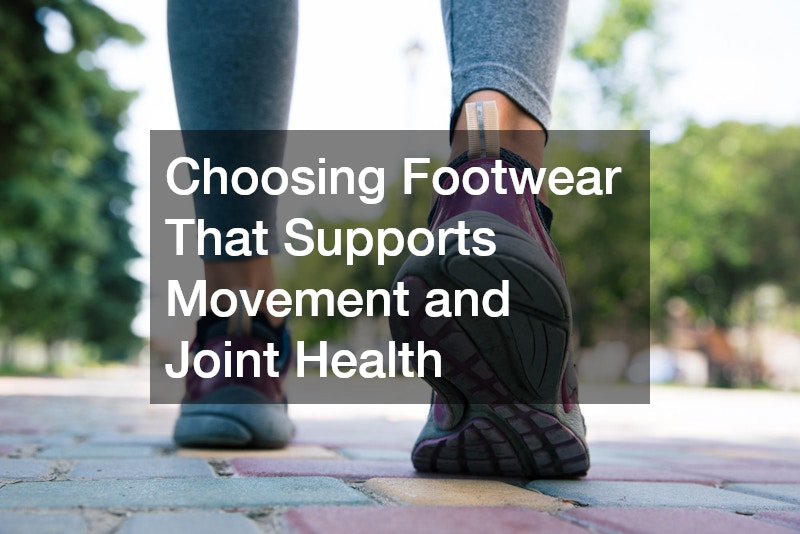
Footwear plays a larger role in physical wellness than many people realize. Shoes influence how force travels through the feet, ankles, knees, hips, and spine. Every step creates ground reaction forces that move upward through the body, and the way a shoe absorbs, distributes, or redirects that force directly affects joint loading. Poorly fitted or worn-out shoes can subtly alter movement patterns, increasing stress on joints and connective tissue and contributing to issues that may not be immediately linked back to footwear.
When selecting local running shoes or everyday athletic footwear, consider the following practical guidelines:
- Get fitted later in the day, when feet are slightly swollen and closer to their true size.
Feet naturally expand after hours of standing and walking. Trying on shoes later in the day provides a more accurate fit and reduces the risk of buying footwear that feels fine in the morning but becomes tight or restrictive during activity. - Match the shoe design to your primary activity rather than choosing a general-purpose option.
Running, walking, cross-training, and court sports all place different demands on the feet. Shoes designed for a specific activity provide targeted support, cushioning, and stability that generic athletic shoes often lack. - Pay attention to arch support, heel stability, and forefoot flexibility
Proper arch support helps distribute pressure evenly across the foot, while heel stability limits excessive movement that can affect alignment. Forefoot flexibility allows the foot to move naturally during push-off without forcing compensation elsewhere in the body. - Walk or jog briefly in the shoes to assess comfort during motion, not just standing.
Shoes can feel comfortable when standing still, but behave differently once the foot moves through a full gait cycle. Testing them in motion reveals pressure points, slippage, or instability that might otherwise go unnoticed.
Shoes should feel supportive without needing a break-in period. Discomfort that is noticeable in the store rarely improves with time and often worsens as mileage increases. Pressure, pinching, or instability are signals that the shoe is not compatible with your foot mechanics.
Additional tips for protecting joint health through footwear include:
- Rotating between two pairs to reduce repetitive stress
Alternating shoes changes how impact forces are distributed, giving tissues a break from identical loading patterns and allowing cushioning materials time to recover between uses. - Replace shoes every 300–500 miles or when cushioning visibly compresses
Even if the exterior looks intact, internal cushioning materials degrade over time. Flattened midsoles lose shock absorption, increasing stress on joints despite the shoe appearing usable. - Avoiding overly minimalist or overly rigid designs unless specifically recommended
Extremely flexible or excessively stiff shoes can challenge the body in ways it may not be prepared to handle. Unless guided by a professional, sudden shifts toward extremes can increase injury risk rather than improve performance.
Thoughtful footwear choices reduce impact forces and help maintain natural movement patterns, supporting long-term mobility and making daily activity more comfortable and sustainable.
Fueling Activity With Simple, Sustainable Nutrition Habits
Nutrition directly affects energy levels, recovery speed, and injury resilience. For active individuals, consistency matters more than perfection. Small, repeatable choices provide the foundation for both performance and long-term health.
Morning meals are especially important. Balanced breakfast food helps replenish glycogen, stabilize blood sugar, and support muscle repair after overnight fasting. A practical breakfast often includes:
- A source of protein to support muscle tissue
- Complex carbohydrates for sustained energy
- Healthy fats to promote satiety and hormone balance
Examples might include eggs with whole grains, yogurt with fruit and seeds, or smoothies that combine protein, fiber, and healthy fats.
In some cases, medical products such as braces, compression wear, or basic supplements may be used to support activity and recovery. These tools are most effective when they complement, rather than replace, foundational habits like proper nutrition, hydration, and rest.
Key principles to keep in mind include:
- Avoid relying on supplements to compensate for poor eating patterns.
- Introduce one new product at a time to assess its effect.
- Consult a qualified professional before using products for pain or performance enhancement.
Nutrition works best as part of a broader wellness system rather than a quick fix.
Managing Joint Stress Before It Becomes a Limiting Issue
Joint discomfort often develops gradually. Early warning signs are easy to dismiss, especially for active individuals accustomed to soreness. However, ignoring these signals can allow minor issues to progress into chronic problems.
Common indicators that require attention include:
- Persistent stiffness that lasts beyond warm-up
- Swelling or tenderness around a joint
- Pain that alters movement or causes compensation
- Reduced range of motion over time
Addressing these signs early may prevent the need for more intensive intervention later. Conservative strategies include adjusting training volume, improving mobility, and prioritizing recovery days.
When symptoms persist, seeking knee pain treatment can help identify underlying causes such as overuse, muscular imbalance, or alignment issues. A pain treatment clinic may offer targeted therapies designed to reduce inflammation, improve function, and support healing without immediately resorting to invasive measures.
Proactive joint care allows individuals to remain active while minimizing the risk of long-term damage.
Supporting Recovery Through Hands-On Musculoskeletal Care
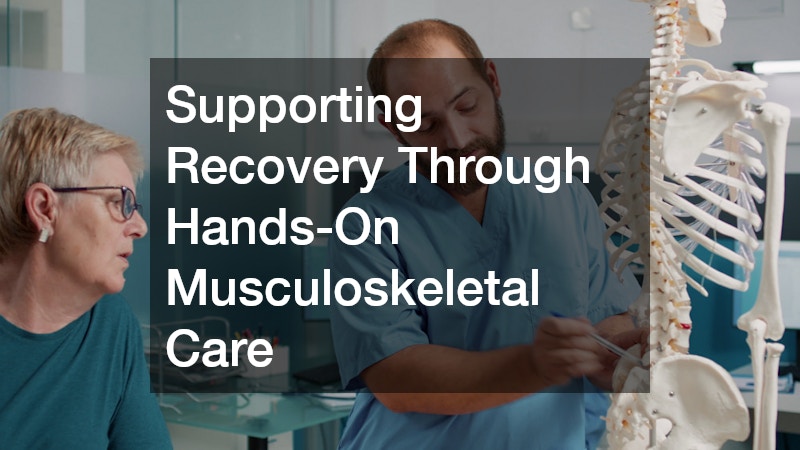
Recovery is not passive. It involves restoring normal movement, reducing tissue tension, and maintaining alignment throughout the body. Physical activity, especially when repetitive or high-impact, places stress on muscles, joints, and connective tissues. Over time, small restrictions can accumulate, limiting the range of motion and altering movement patterns. Hands-on care can play a valuable role in this process by directly addressing these restrictions and helping the body return to more efficient, balanced function.
Working with a chiropractor may help address restrictions in joint mobility and muscular tension that interfere with efficient movement. Manual techniques are often used to improve joint motion, reduce stiffness, and encourage better communication between the nervous system and musculoskeletal structures. When joints move as intended, surrounding muscles can relax and activate more effectively, reducing unnecessary strain during activity. Improved biomechanics can also decrease the likelihood of compensatory patterns that contribute to pain or fatigue in areas far from the original issue.
Hands-on care tends to be most beneficial when it is used proactively rather than only in response to acute pain. Regular sessions may help identify emerging movement limitations before they become symptomatic, particularly for individuals who train frequently, sit for long periods, or repeat the same motions daily. This preventive approach can support consistency in training and reduce interruptions caused by overuse injuries.
To maximize benefits, this type of care should be integrated with self-management strategies such as:
- Regular mobility and stretching routines
Daily or post-workout mobility work helps maintain the gains achieved during hands-on sessions. Stretching tight muscle groups and mobilizing joints reinforces improved movement patterns and prevents stiffness from returning. - Strengthening exercises that support joint stability
Strength training builds the muscular support needed to maintain alignment and control movement. Targeted exercises for core, hips, and stabilizing muscles help protect joints during both activity and rest. - Attention to posture during work and daily activities
Poor posture can quickly undo progress made during hands-on care. Being mindful of sitting, standing, and lifting mechanics reduces ongoing stress and helps preserve proper alignment throughout the day.
It is also important to monitor how the body responds to treatment. Temporary soreness is common as tissues adapt to improved movement and reduced tension, especially in the early stages of care. However, increasing pain, prolonged discomfort, or a loss of function should be discussed promptly with the provider to ensure the approach remains appropriate.
Hands-on care is most effective when it supports, rather than replaces, active participation in recovery. When combined with consistent movement, strength, and posture awareness, it becomes a powerful tool for maintaining mobility, reducing discomfort, and supporting long-term physical resilience.
Knowing Where to Turn When Injuries or Illnesses Disrupt Progress
Active lifestyles occasionally come with setbacks, even when training and recovery are well managed. Knowing where to seek care helps prevent delays that can worsen outcomes or prolong downtime, especially when symptoms interfere with normal movement or daily responsibilities.
Local urgent care facilities are often appropriate for non-life-threatening issues such as:
- Minor sprains or strains that limit function but are not severe
- Suspected fractures without severe deformity or loss of circulation
- Acute illnesses that interfere with training, work, or daily activity
These settings provide timely evaluation, imaging when necessary, and basic treatment without the extended wait times of emergency departments, allowing faster decision-making and next steps.
For ongoing wellness planning, a wellness center may offer a more integrated approach. These environments often coordinate multiple services, helping individuals address prevention, recovery, and lifestyle factors in one setting rather than managing care in isolation.
When seeking care, it helps to:
- Clearly describe how the issue began and what worsens or improves it.
- Mention recent changes in activity, footwear, or training volume.
- Ask about follow-up steps and warning signs that require reassessment.
Navigating care efficiently allows individuals to return to activity safely and with confidence.
Enhancing Sleep Quality to Accelerate Physical Recovery

Sleep is one of the most powerful recovery tools available, yet it is frequently undervalued. During deep sleep, the body repairs muscle tissue, regulates hormones, and consolidates motor learning from physical activity. Inadequate or inconsistent sleep disrupts these processes, slowing recovery and increasing susceptibility to fatigue and injury.
Optimizing the sleep environment can significantly improve rest quality. Simple upgrades, such as choosing bedsheets for better sleep, can influence temperature regulation and overall comfort throughout the night. Materials that breathe well help prevent overheating, while properly fitted sheets reduce shifting and bunching that can cause micro-awakenings and fragmented rest.
Additional strategies for improving sleep include:
- Maintaining consistent sleep and wake times to support circadian rhythms
- Limiting screen exposure before bed to reduce blue light interference
- Creating a dark, quiet, and cool sleeping space that promotes relaxation
- Avoiding heavy meals or intense workouts late in the evening, which can delay sleep onset
Tracking sleep patterns can also help identify habits that interfere with recovery. Over time, better sleep translates into improved performance, reduced injury risk, and greater overall resilience.
Strategic Recovery Boosts for High-Demand Lifestyles

For individuals with demanding schedules or high training loads, foundational recovery habits may occasionally fall short. Extended work hours, frequent travel, or intense physical output can increase recovery demands beyond what sleep, nutrition, and hydration alone can easily address, making targeted recovery strategies worth considering in specific situations.
IV therapy is sometimes used to support hydration and nutrient replenishment, particularly when oral intake is insufficient or recovery demands are elevated. This option may be considered during periods of sustained physical stress, after long travel days, or when rapid replenishment is needed to support short-term recovery without placing additional strain on the digestive system.
Before incorporating advanced recovery methods, it is important to:
- Evaluate whether basic habits like sleep, nutrition, and hydration are already optimized.
- Understand the intended purpose and limitations of the intervention.
- Consult qualified medical professionals regarding safety and suitability.
Recovery tools are most effective when used selectively and strategically rather than as routine replacements for healthy habits.
Building a Personalized Wellness System That Evolves With You
Wellness is not static. As activity levels, age, and goals change, recovery needs evolve as well. What supports performance and comfort at one stage of life may require adjustment later, making periodic reassessment essential to ensure routines remain supportive rather than restrictive or outdated.
An effective wellness system typically includes:
- Movement practices that match current capacity, allowing progress without unnecessary strain
- Nutrition strategies that support energy and recovery, adapting intake as activity demands shift
- Professional care is used proactively rather than reactively, addressing small issues before they escalate.
- Rest and sleep are prioritized as non-negotiable components, recognizing their role in both physical and mental recovery.
Listening to the body and adjusting accordingly helps prevent overuse injuries and mental fatigue. Flexibility in approach allows individuals to remain active across different life stages without sacrificing health, enjoyment, or long-term resilience.
Sustainable wellness is built through awareness, consistency, and a willingness to adapt.
Active living and effective recovery are deeply connected. When movement is supported by thoughtful choices around care, nutrition, and rest, the body becomes more resilient and adaptable. Small, intentional adjustments compound over time, reducing injury risk and improving overall quality of life.
By focusing on prevention, listening to early warning signs, and valuing recovery as much as activity, individuals can maintain energy, mobility, and well-being for years to come.